

Published 01 Sept 2026
It's easy to think of physical and mental health as separate parts of wellbeing, but they're more closely connected than many people realise. Even a small change in one area can have a noticeable impact on the other. For example, when you're not sleeping well, feeling run down, recovering from illness or skipping meals, you may notice changes in your mood, focus and energy levels. These are signs that your body needs rest, nourishment or recovery. Similarly, emotional strain can show up physically through symptoms such as fatigue, low energy or a feeling of tightness in your chest.
Learning how to nurture and balance both is key to achieving sustainable wellbeing. While this can be easier said than done, building a toolkit of practical strategies to support both your body and mind is an important first step.
The good news is that many habits that improve physical health also provide powerful mental health benefits. Likewise, looking after your mental wellbeing may make it easier to maintain healthy physical habits, highlighting the strong and ongoing connection between mind and body.
How physical and mental health work together
Wellbeing sits at the intersection of physical, mental, and social health. Rather than seeing these as separate parts of your overall health, healthdirect recommends we instead view them as an interconnected cycle:
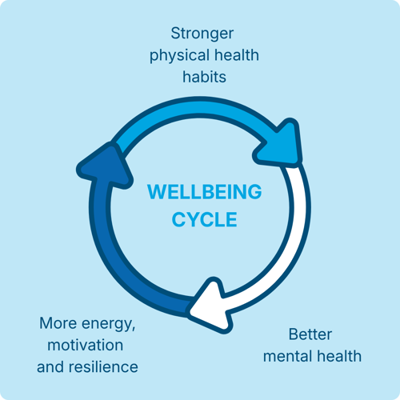
The reinforcing cycle means that improvements in one area often create benefits in the other. Healthy physical habits such as regular exercise and quality sleep can improve mood, energy levels, self-esteem and resilience. In turn, strong mental wellbeing can make it easier to stay motivated and maintain healthy routines, creating a positive feedback loop between the mind and body.
To help you get started, we've curated a list of practical physical and mental health strategies inspired by what the University of Sydney's Charles Perkins Centre calls the three pillars of wellbeing - sleep, nutrition and physical activity. These foundations play a vital role in supporting both body and mind, helping to create healthier habits that contribute to long-term wellbeing.
Sleep – the foundation of body and mind
Sleep is often the first thing to suffer when life gets busy, yet it plays a critical role in both physical and mental wellbeing. Getting enough quality sleep helps the body recover, strengthens the immune system and supports healthy brain function. It also plays an important role in regulating mood, managing stress, improving concentration, and building emotional resilience. Conversely, poor sleep can leave us feeling irritable, anxious, fatigued and less motivated to engage in healthy behaviours such as exercise and eating well.
Try this: Establish a consistent sleep schedule, create a relaxing bedtime routine, and limit screen time and caffeine in the hours before bed. Check out our article on top tips for a better night's sleep to get started.
Nutrition – fuel for physical and mental wellbeing
The food we eat provides far more than just energy. Good nutrition supports healthy growth, immune function, heart health and disease prevention, while also influencing brain function, mood and concentration. A balanced diet can help maintain steady energy levels, improve cognitive function and strengthen our ability to cope with stress. When our bodies are well nourished, we're often better equipped to stay active and maintain healthy habits. Likewise, when we're feeling mentally well, it can be easier to plan meals, prepare nutritious foods and make healthier choices.
Try this: Focus on simple, sustainable food habits such as eating a variety of fruits and vegetables, choosing wholegrain foods, staying hydrated and planning balanced meals where possible. Listen to our latest podcast on what to consider when making changes to your diet, led by nutritionist Mel Bald.
Physical activity – moving for your body and your mind
Physical activity is one of the most effective ways to support both physical and mental wellbeing. According to the Australian Government Department of Health, regular physical activity contributes to good physical and mental health at every stage of life. It helps reduce the risk of chronic disease while supporting overall wellbeing.
Unsurprisingly, physical activity can support your mental wellbeing too. Research from the Black Dog Institute shows that physical activity can help reduce symptoms of anxiety and depression, while providing opportunities for social connection and a greater sense of control over one's wellbeing.
Importantly, exercise doesn't need to be intense to make a difference. A brisk walk, bike ride, swim or yoga session can all contribute to better physical and mental health.
Try this: Look for ways to build movement into your day, whether that's taking a lunchtime walk, joining a social sport, using the stairs or simply spending more time outdoors. We've made a playlist of songs inspired by what our members listen to when trying to stay active – listen here!
Bringing it together to boost our physical and mental health
While sleep, nutrition and physical activity each offer significant benefits on their own, their real power lies in how they work together. Improving one area often makes it easier to improve another. Better sleep can boost motivation to exercise, regular exercise can improve sleep quality and good nutrition can provide the energy needed to stay active and resilient.
The encouraging part is that meaningful change doesn't have to happen all at once. Small, sustainable improvements across these three pillars can create a positive cycle that supports both your physical and mental wellbeing over time.

